Nantong Yunju New Material Technology Co., Ltd.
is China Round Marble Coffee Table Suppliers and Square Marble Coffee Table Manufacturers, located in Haian, Jiangsu — the cradle of Jianghai Civilization. Established in 2021, the company specializes in the R&D, production, sales, and service of ultra-thin stone. As a modern innovative enterprise, it occupies a land area of 60 mu and is committed to delivering superior stone solutions to the market, supported by strong in-house R&D capabilities and advanced production techniques.
Yhtiöllä on useita keksintö- ja hyödyllisyysmallipatentteja, ja se on koonnut kokeneen tiimin teknisiä ja johtamisen ammattilaisia. Ydintiimiin kuuluu kuusi ohutkiveen erikoistunutta teknikkoa, 50 ammattitaitoista työntekijää, 5 laadunvalvontaasiantuntijaa, 6 tuotannon johtohenkilöä ja 5 myyntiedustajaa, jotka tarjoavat vankkaa henkilöstötukea tuotekehitykseen, valmistukseen ja kokonaisvaltaiseen laadunvarmistukseen.
Yli 30 erikoiskonesarjalla varustettuna olemme luoneet virtaviivaistetun ja tehokkaan tuotantoprosessin raakalohkoista valmiisiin tuotteisiin. Hieman yli kahden toimintavuoden aikana vuotuinen tuotantokapasiteettimme on saavuttanut noin 300 000 neliömetriä. Meistä on tullut yli 20 kotimaisen ja kansainvälisen huonekaluvalmistajan nimetty kivitoimittaja. Lisäksi olemme solmineet vakaita kumppanuuksia lukuisten suunnitteluinstituuttien ja sisustusyritysten kanssa, jotka toimittavat korkealaatuisia ultraohuita kivi- ja marmorikomposiittimateriaaleja erilaisiin avainprojekteihin.

Modern Round/Square Marble Coffee Table Manufacturers
-
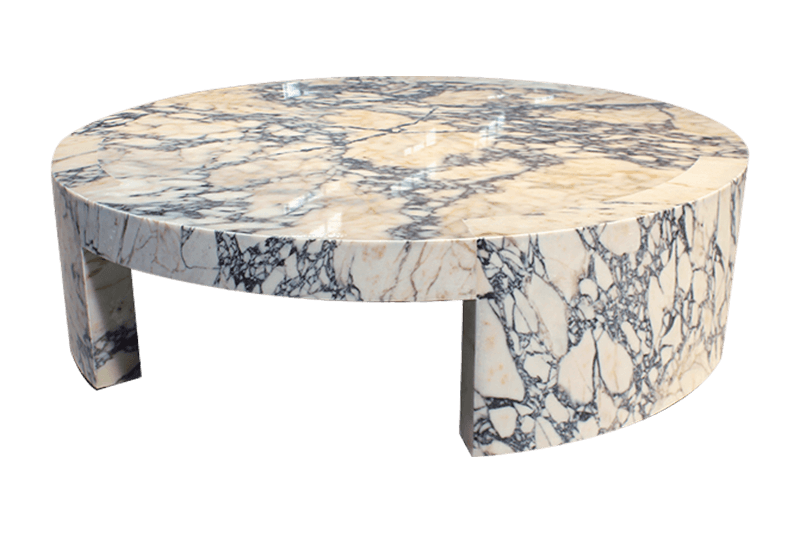 Bulgari Cloud Shadow kaksinkertainen kaareva marmorinen sohvapöytä
Bulgari cloud shadow kaksoiskaareva marmorinen sohvapöydässä on pyö...
-
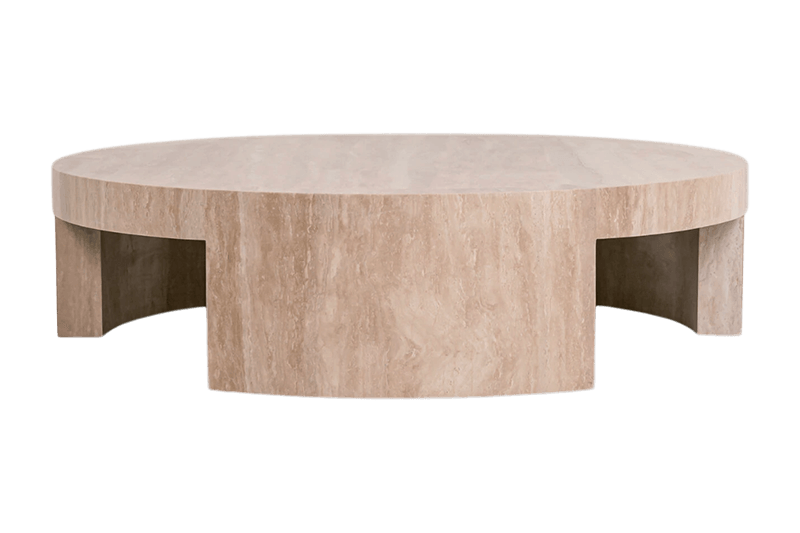 Lämminruskea travertiini ympäröi marmorista sohvapöytää
Lämmin ruskea travertiini ympäröi marmorista sohvapöytää, jossa on ...
-
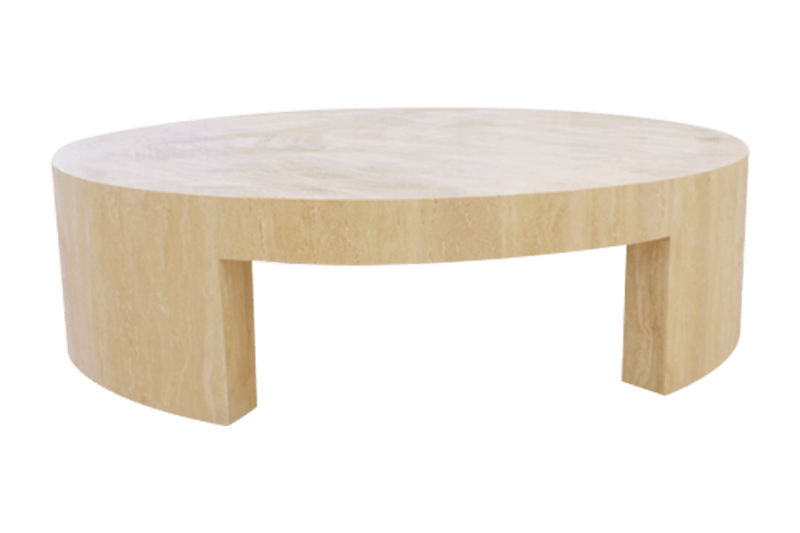 Vaaleankeltainen kaareva marmorinen sohvapöytä
Vaaleankeltaisessa kaarevassa marmorisessa sohvapöydässä on vaalean...
-
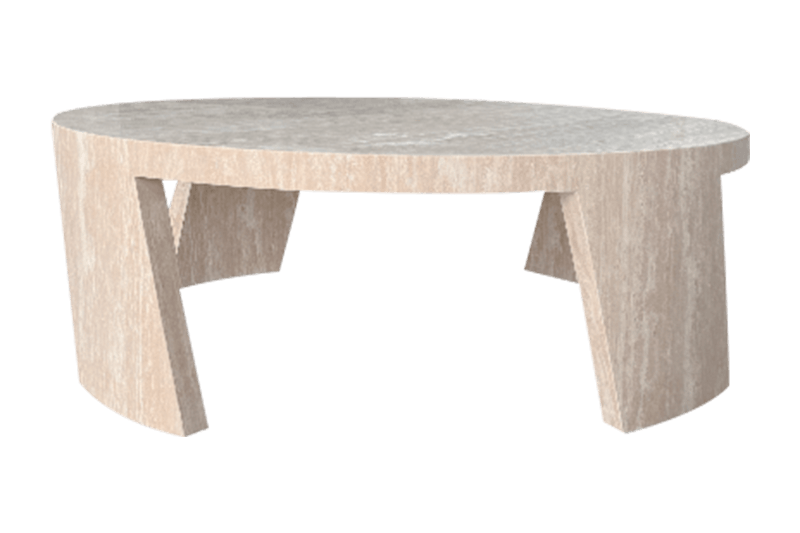 Luonnonvalkoinen geometrinen marmorinen sohvapöytä
Luonnonvalkoisessa geometrisessa marmorisessa sohvapöydässä on soik...
-
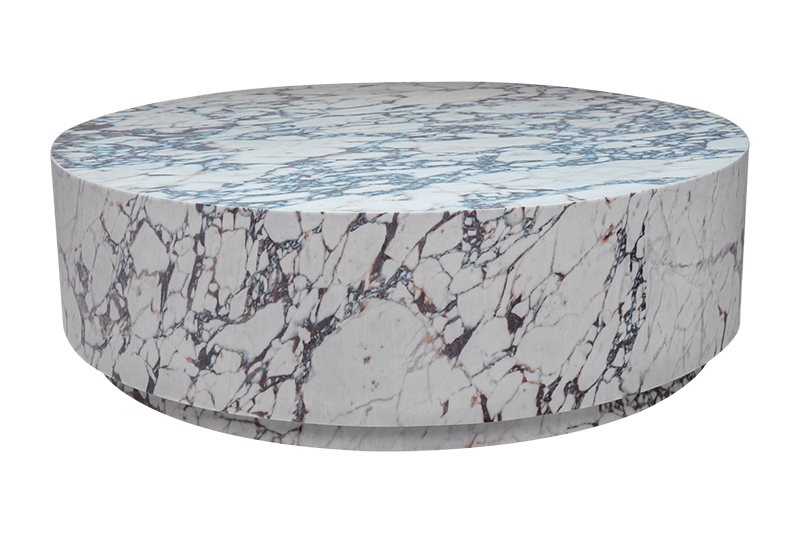 Bulgari purppurainen pyöreä marmorinen sohvapöytä
Pyöreä bulgari-violetti marmorinen sohvapöytä on pyöreä, ja se on v...
-
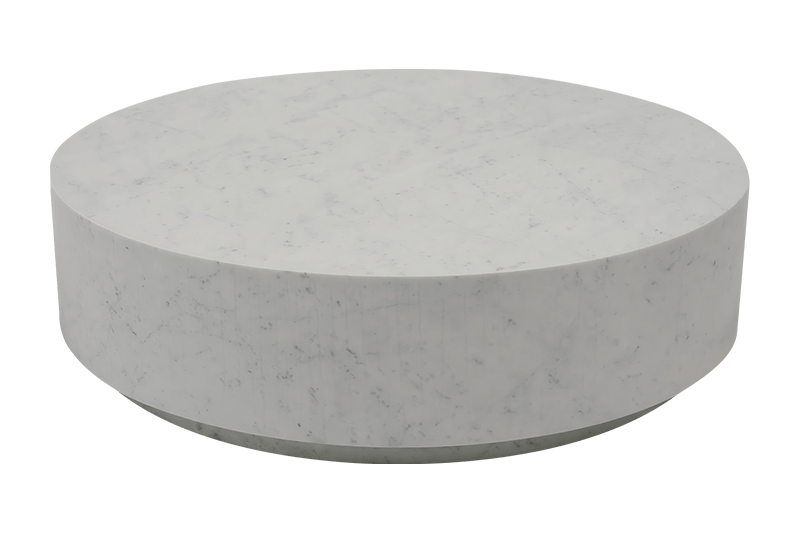 Tavallinen harmaa marmorinen sohvapöytä
Tavallisessa harmaassa marmoripöydässä on pyöreä, harmaasta marmori...
-
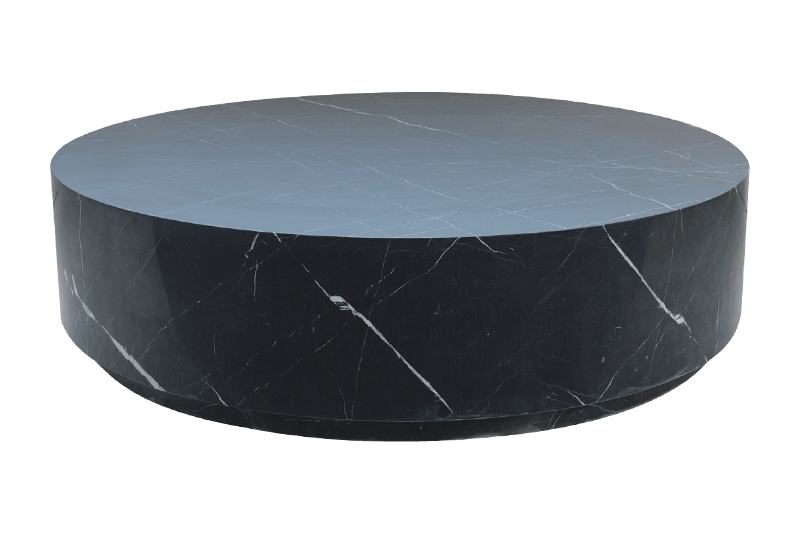 Black Jade Silver Line marmorinen sohvapöytä
Mustan jade hopealinjaisen marmorisen sohvapöydän pyöreä kansi on v...
-
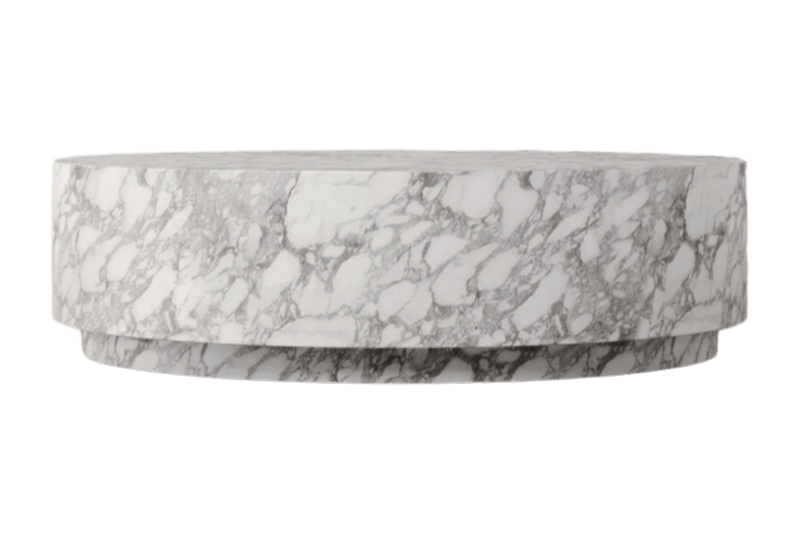 Hopeanharmaa siksak-marmorinen sohvapöytä
Hopeanharmaasta siksak-marmorista valmistetun sohvapöydän pyöristet...
-
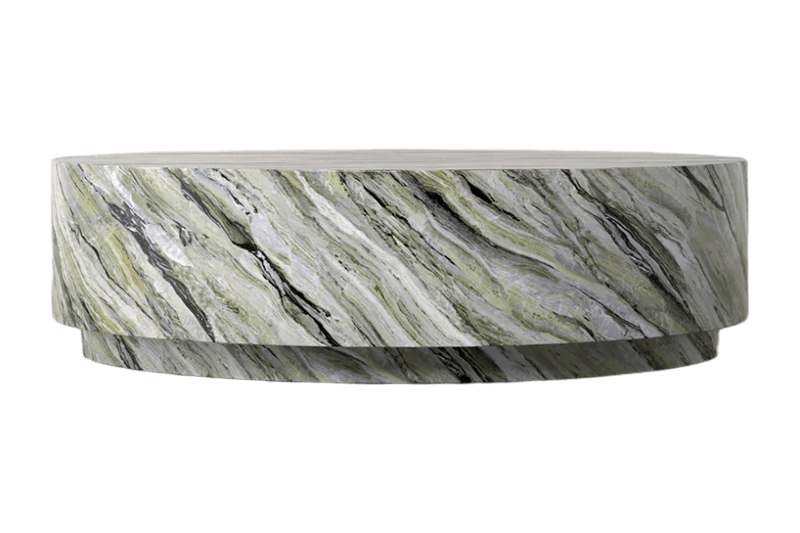 Green Wave Stone marmorinen sohvapöytä
Vihreä aaltokivimarmorinen sohvapöytä on kiekon muotoinen, ja siinä...
-
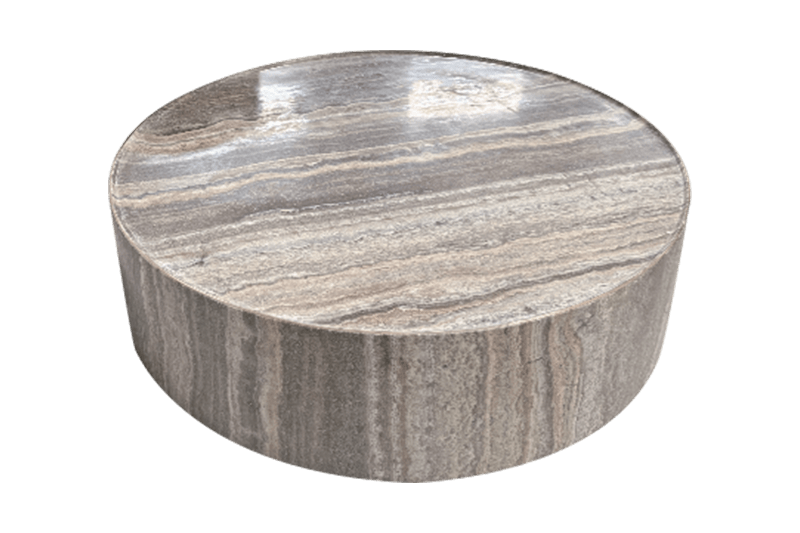 Hopeanharmaa lieriömäinen marmorinen sohvapöytä
Tässä hopeanharmaassa lieriömäisessä marmori sohvapöydässä on pyöre...
-
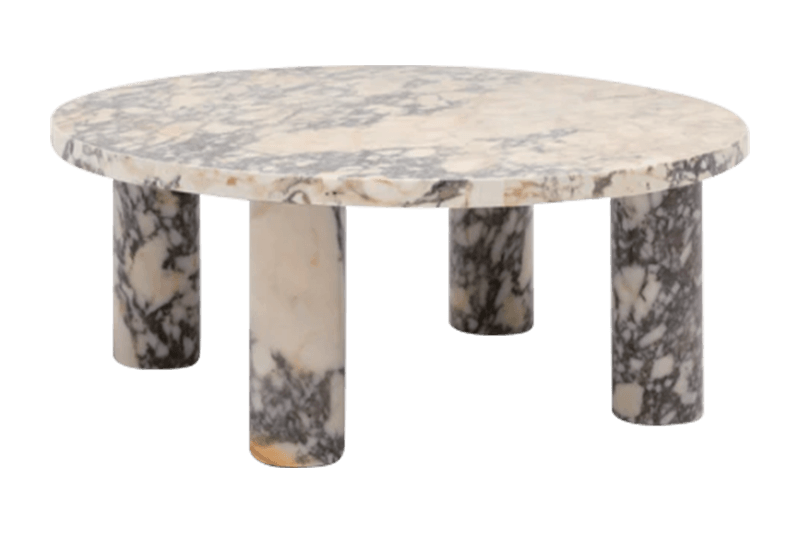 Pilvikuvioinen neljän pylvään marmorinen sohvapöytä
Pilvikuvioitu marmorinen nelipylväinen sohvapöydän pyöreä kansi on ...
-
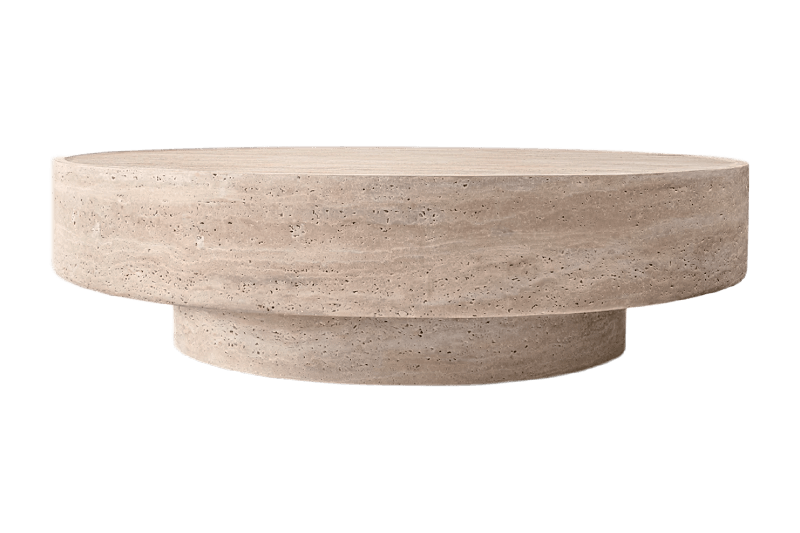 Lämmin ruskea laminoitu marmorinen sohvapöytä
Tämän lämpimän ruskean laminoidun marmorisen sohvapöydän pyöreä kan...
Olohuoneen keskeisenä huonekaluna marmorinen sohvapöytä ei toimi vain käytännöllisissä toiminnoissa, vaan toimii myös sisustuksen keskipisteenä. Sen ylellinen rakenne ja hienostunut ulkonäkö valloittavat jokaisen vierailijan, jolloin he voivat pysähtyä ja aistia omistajan ainutlaatuisen maun ja elämäntavan. Marmori itsessään huokuu jalouden tunnetta, ja sen sileä pinta ja ainutlaatuinen rakenne tekevät jokaisesta marmorisesta sohvapöydästä taideteoksen. Olipa kyseessä klassinen valkoinen marmori tai syvän musta marmori, se lisää ripauksen eleganssia ja loistoa mihin tahansa tilaan. Marmoriset sohvapöydät ovat tyypillisesti yksinkertaisia ja tyylikkäitä, ja niissä on geometriset linjat ja hienostuneet metallihelat. Yhdistettynä moderniin sisustukseen ne sulautuvat saumattomasti eri tyyleihin. Laadukkaan marmorisen sohvapöydän valitseminen ei vain lisää kotisi visuaalista syvyyttä, vaan heijastaa myös sitoutumistasi elämänlaatuun ja esittelee makuasi ja tyyliäsi.
Viesti Palaute
Yritys
Nantong Yunju New Material Technology Co., Ltd.
Uutiset
-
Asiakkaasi haluaa marmorisen ruokapöydän, jossa on kolmimetrinen kansi, kaksi kaarevaa jalustaa ja kirjan kanssa yhteensopiva suonikuvio, joka jatkuu pinnan poikki. Perinteinen 20 mm laatta pystyy toimittamaan yläosan, mutta kaareva reuna vaatisi raskaan teräskehyksen ja koko kappale saattaa olla liian painava si...
READ MORE -
Hinta marmoriseinäpaneeli hotellin hissin aulaan ja budjettia yleensä rikkova luku ei ole kivi. Se on paino. Yksi neliömetri 20 mm Carrara-laatta painaa noin 54 kg. Peitä sama seinä 3 mm:n marmoriviilulla, joka on liimattu alumiinikennoytimeen ja paneelin paino on lähes 14 kg/m², mikä on usein ero seinän, joka ta...
READ MORE -
Marmorisen sivupöydän määrittely alkaa usein yksinkertaisella kysymyksellä: tuntuuko se kiinteältä vai hauraalta, kun joku laskee kahvikupin? Vastaus tulee harvoin pelkästään kiven nimestä. Se johtuu paksuudesta, pohjarakenteesta, reunan yksityiskohdista ja pinnan viimeistelystä. 45 cm x 45 cm pöytä, jossa on 20 ...
READ MORE
Marmorinen sohvapöytä Industry knowledge
Design Versatility and Geometric Configurations in Modern Marble Coffee Table Fabrication
Standard Rectangular and Square Configurations
Rectangular and square formats represent the foundation of traditional furniture design, providing functional stability and predictable spatial footprint within living room layouts. In conventional stone processing, these shapes are achieved by cutting solid 20mm to 30mm marble slabs into precise geometric dimensions. While heavy, these classic shapes offer a broad surface area suitable for large sectionals and formal seating arrangements. The reliance on rigid, thick stone slabs often limits these tables to linear edge profiles, as the substantial weight of solid marble prevents complex carving or delicate leg attachments without heavy-duty internal structural reinforcement.
Modern manufacturing methodologies have expanded the creative potential for these classic shapes through composite stone engineering. By utilizing ultra-thin natural stone veneers bonded to lightweight substrates such as aluminum honeycomb or high-density fiberboard, furniture designers can create rectangular and square tabletops that maintain the authentic aesthetic of natural rock while shedding nearly eighty percent of the traditional weight. Companies such as Nantong Yunju New Material Technology Co., Ltd., based in Haian, Jiangsu, employ advanced R&D to stabilize these thin stone sheets, allowing for wider table spans and minimalist framing systems that would otherwise be impossible with dense, full-thickness slabs.
Organic Curvilinear and Elliptical Table Designs
Curvilinear shapes—including round, oval, and kidney-shaped silhouettes—bring visual softness to interior spaces characterized by hard architectural lines. Producing these forms from traditional solid stone involves labor-intensive CNC milling and expensive abrasive water-jet cutting to navigate the brittle nature of heavy marble blocks. The resulting pieces remain susceptible to edge chipping during shipping and installation due to the lack of internal tensile support within the natural stone matrix.
The introduction of flexible stone composite technology enables a wider array of organic coffee table geometries. By laminating 1mm to 3mm stone slices onto bendable resin meshes, fabricators can wrap natural stone around curved edges and cylindrical table bases with ease. This innovation allows designers to produce fluid, asymmetrical, and circular marble coffee table tops that exhibit consistent vein flow across the perimeter. Nantong Yunju New Material Technology Co., Ltd. leverages these specialized processing techniques to provide lightweight stone veneers that conform to non-linear furniture designs, effectively bridging the gap between natural mineral aesthetics and contemporary industrial design trends.
| Shape Category | Geometric Characteristics | Best Spatial Application | Fabrication Complexity |
|---|---|---|---|
| Rectangular | Defined linear edges and right angles | Large living areas with long sofas | Low (Standard saw cutting) |
| Circular / Round | Equidistant perimeter from center | Compact conversational seating zones | High (CNC or water-jet precision) |
| Oval / Elliptical | Elongated curves, tapered ends | Flow-oriented layouts; high-traffic paths | Moderate-High (Edge finishing requirements) |
| Freeform / Organic | Irregular, natural fluid boundaries | Statement centerpieces; eclectic decor | High (Custom template fabrication) |
| Nested (Multi-Shape) | Layered geometric volumes | Versatile, space-saving arrangements | Moderate (Requires weight management) |
Modular and Multi-Tiered Geometric Stacking
Nested and multi-tiered table systems utilize varied geometric shapes to create depth and functional flexibility within a single footprint. These designs typically involve smaller secondary tables that slide beneath or sit adjacent to a primary larger table. When manufactured using traditional stone, the combined weight of multiple solid marble components often creates logistical challenges for home assembly and floor protection. Consequently, multi-tiered stone furniture has historically been reserved for boutique, high-end applications with significant structural backing.
Lightweight composite stone panels transform this design category by decoupling surface area from total mass. A multi-tiered marble coffee table set using ultra-thin stone can now feature delicate metallic or timber frames that support two or three levels of stone surfaces without risk of structural fatigue. Because the total weight remains low, these nested configurations are practical for daily domestic use. Enterprise operations at Nantong Yunju New Material Technology Co., Ltd. support the creation of these complex furniture systems by providing high-consistency thin stone sheets that match across different geometric sizes, ensuring that the marble grain flows visually from one tier to the next.
Edge Profiling as a Geometric Design Element
The perceived shape of a coffee table is defined not only by its footprint but also by its edge profile. Solid stone tables are typically restricted to simple eased or beveled edges due to the difficulty of polishing complex stone curvatures without specialized heavy-duty equipment. In contrast, modern ultra-thin stone veneer technology allows for mitered edge joining, where the thin veneer is wrapped over the edge of a lightweight substrate to create a seamless, thick-look finish.
This fabrication method opens possibilities for waterfall edges, where the marble pattern continues vertically down the side of the table base, creating a continuous block-like appearance. Designers can also specify shark-nose, bullnose, or chamfered edges on composite marble coffee tables, as the underlying substrate can be shaped precisely before the stone veneer is applied. This capability allows a singular coffee table to adopt varied geometric characters—ranging from sharp, minimalist architectural forms to soft, tactile rounded perimeters—all while retaining the authentic mineral texture of natural marble.
| Edge Profile Type | Visual Characteristic | Material Composition Requirement | Suitability for Marble |
|---|---|---|---|
| Mitered Waterfall | Continuous grain flow over the edge | Composite-backed thin stone | High (Visual continuity) |
| Eased / Square | Sharp, linear transition | Solid slab or composite | Moderate (Prone to corner chipping) |
| Bullnose | Rounded, smooth curvature | Solid slab or shaped substrate | High (Tactile softness) |
| Beveled | Angled, decorative transition | Solid slab or composite | Moderate (Dust accumulation) |
FAQ
Q: How do composite ultra-thin materials prevent a marble coffee table top from chipping along its outer edges?
A: Solid stone table tops feature unreinforced, brittle perimeters that are highly vulnerable to chipping during everyday impacts. Modern composite construction laminates an ultra-thin stone veneer to a tough backing core, such as high-density fiberboard or aluminum honeycomb. This underlying substrate absorbs impact energy and provides structural flexibility, substantially protecting the edges against localized fracturing.
Q: What structural advantages does lightweight stone technology offer for multi-tiered or nesting marble coffee table configurations?
A: Nesting tables require frequent repositioning and rely on minimalist metal or timber frames. Utilizing ultra-thin stone reduces the overall top weight by up to 80 percent, preventing joint loosening, frame sagging, and floor scuffing while making the multi-layered table set easy to adjust within living rooms.
Q: How do producers like Nantong Yunju New Material Technology Co., Ltd. ensure visual grain alignment on waterfall-edge coffee tables?
A: Fabricators utilize high-precision miter-cutting on consecutive thin stone sheets extracted sequentially from the same quarried block section. Advanced lamination techniques developed by enterprise manufacturers ensure that the natural mineral veining flows seamlessly from the horizontal top surface down the vertical side panels without abrupt visual breaks.
Q: Will an ultra-thin marble coffee table handle daily thermal exposure from warm serving dishes or teapots?
A: Yes, natural stone maintains high inherent thermal stability. Because the stone veneer is thin and firmly bonded to heat-resistant backing layers, localized thermal energy dissipates quickly across the surface, preventing the scorch marks or surface cracking that often affect synthetic plastic laminates or delicate lacquered wood finishes.
Q: How do factory polymer impregnations protect an ultra-thin marble coffee table against coffee, juice, and wine spills?
A: During the specialized slicing and backing lamination phases, deep-penetrating resins fill the micro-fissures and microscopic pores naturally present in raw marble. Combined with topical sealants, this process forms a protective barrier that reduces liquid absorption rates and minimizes acid etching from routine household spills.
Q: Can ultra-thin stone technology be applied to custom curved or organic-shaped marble coffee table bases?
A: When backed with flexible polymer mesh or thin glass fiber layers, ultra-thin stone sheets gain flexural elasticity. This allows the natural stone veneer to be wrapped smoothly around cylindrical columns, elliptical table bases, and contoured silhouettes that would be impossible to cover with heavy, rigid stone slabs.
Q: What daily cleaning methods are required to maintain the original surface luster of an ultra-thin stone coffee table?
A: Maintenance requires wiping the surface using a soft microfiber cloth dampened with warm water and a neutral pH cleaner specifically formulated for natural stone. Avoiding harsh acidic household sprays, bleach, and abrasive scouring pads ensures that the factory sealant remains intact and the stone keeps its smooth tactile finish over time.
Yunju
Tuotteet
Ota yhteyttä
-
 56 Ronggang Road, Binhain uusi alue, Laoban satama, Hai'an City, Nantong City, Jiangsun maakunta
-
 [email protected]

mobiili

Tekijänoikeus ©Nantong Yunju New Material Technology Co., Ltd.Rights Reserved.
 Custom Modern Round/Square Marble Coffee Table Suppliers